Angola
Angola is a southwestern African country known for its rich natural resources, diverse ecosystems, and a history shaped by colonialism and post-independence conflict.
| Flag | 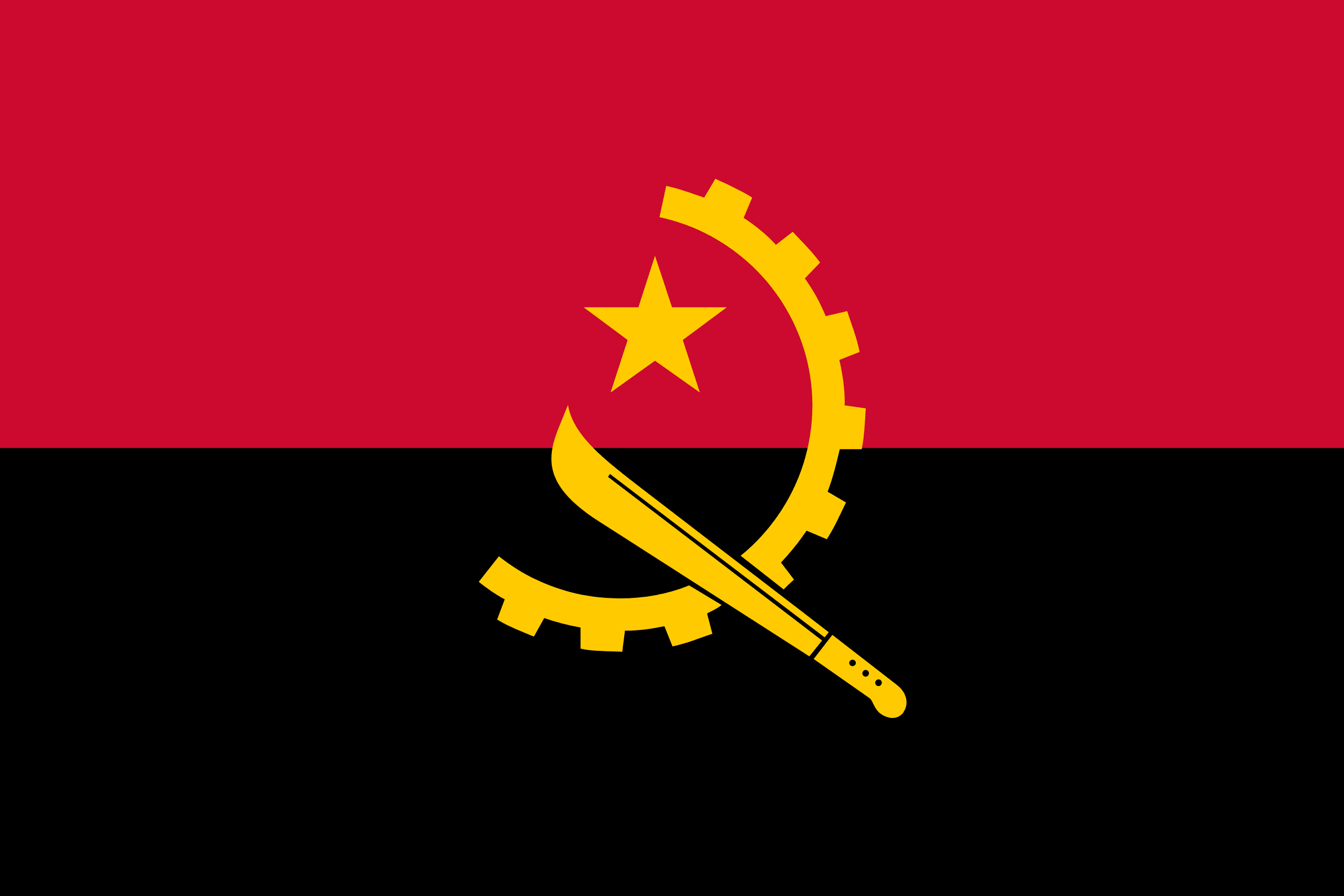 |
| -------------------- | -------------- |
| Country Code ISO2 | AO |
| Country Code ISO3 | AGO |
| Country Code Numeric | 024 |
| Capital | Luanda |
| Currency | Angolan Kwanza |
| Currency Code | AOA |
| Internet TLD | .ao |
| Calling Code | +244 |
| Time Zone | UTC +01:00 |
| Driving Side | Right |
| Area (sq. kms) | 1,246,700 |
| Demonym | Angolan |
| Official Language | Portuguese |
| Largest City | Luanda |
| Date Format | DD/MM/YYYY |
|
| -------------------- | -------------- |
| Country Code ISO2 | AO |
| Country Code ISO3 | AGO |
| Country Code Numeric | 024 |
| Capital | Luanda |
| Currency | Angolan Kwanza |
| Currency Code | AOA |
| Internet TLD | .ao |
| Calling Code | +244 |
| Time Zone | UTC +01:00 |
| Driving Side | Right |
| Area (sq. kms) | 1,246,700 |
| Demonym | Angolan |
| Official Language | Portuguese |
| Largest City | Luanda |
| Date Format | DD/MM/YYYY |
History
Angola’s early history was shaped by indigenous kingdoms such as the Kingdom of Kongo and Ndongo, which developed complex political systems and trade networks. In the late 15th century, Portugal arrived along the coast, establishing trade relations that later expanded into colonization. Over time, Angola became a major center of the Atlantic slave trade, deeply impacting its demographic and social structure.
By the 20th century, resistance to colonial rule intensified, leading to a prolonged struggle for independence. Angola gained independence from Portugal in 1975, but this was immediately followed by the Angolan Civil War, a lengthy and destructive conflict involving multiple factions and foreign intervention during the Cold War era.
The civil war ended in 2002, after which Angola began a process of reconstruction and economic growth, largely driven by its oil and natural resources. Despite progress, the country continues to address challenges related to economic diversification, governance, and social development.
 ADA Programming
 C Programming
 C# Programming
 C++ Programming
 F# Programming
 GO Lang
 Haskell
 Java
Java
 JavaScript
 Julia
Julia
 Kotlin
 Lua Programming
 PHP
PHP
 Python
 R Programming
 Ruby
Ruby
 Rust
Rust
 Shell Script
 Swift Programming
 Appetizer
 Breakfast
 Chutney
 Curry
Curry
 Desserts
 Jam
Jam
 Jelly
Jelly
 Main Course
 Pickle
 Salad
Salad
 Sauce
Sauce
 Side Dish
 Snack
Snack
 Soup
Soup
 Sweets
 Ashtottara Shatanamavali
 Hitopadesha
 Panchatantra
 Temple
 Logical Reasoning
 Reading Comprehension