Algeria
Algeria is the largest country in Africa, known for its vast Sahara landscapes, Mediterranean coastline, and diverse cultural history.
| Flag | 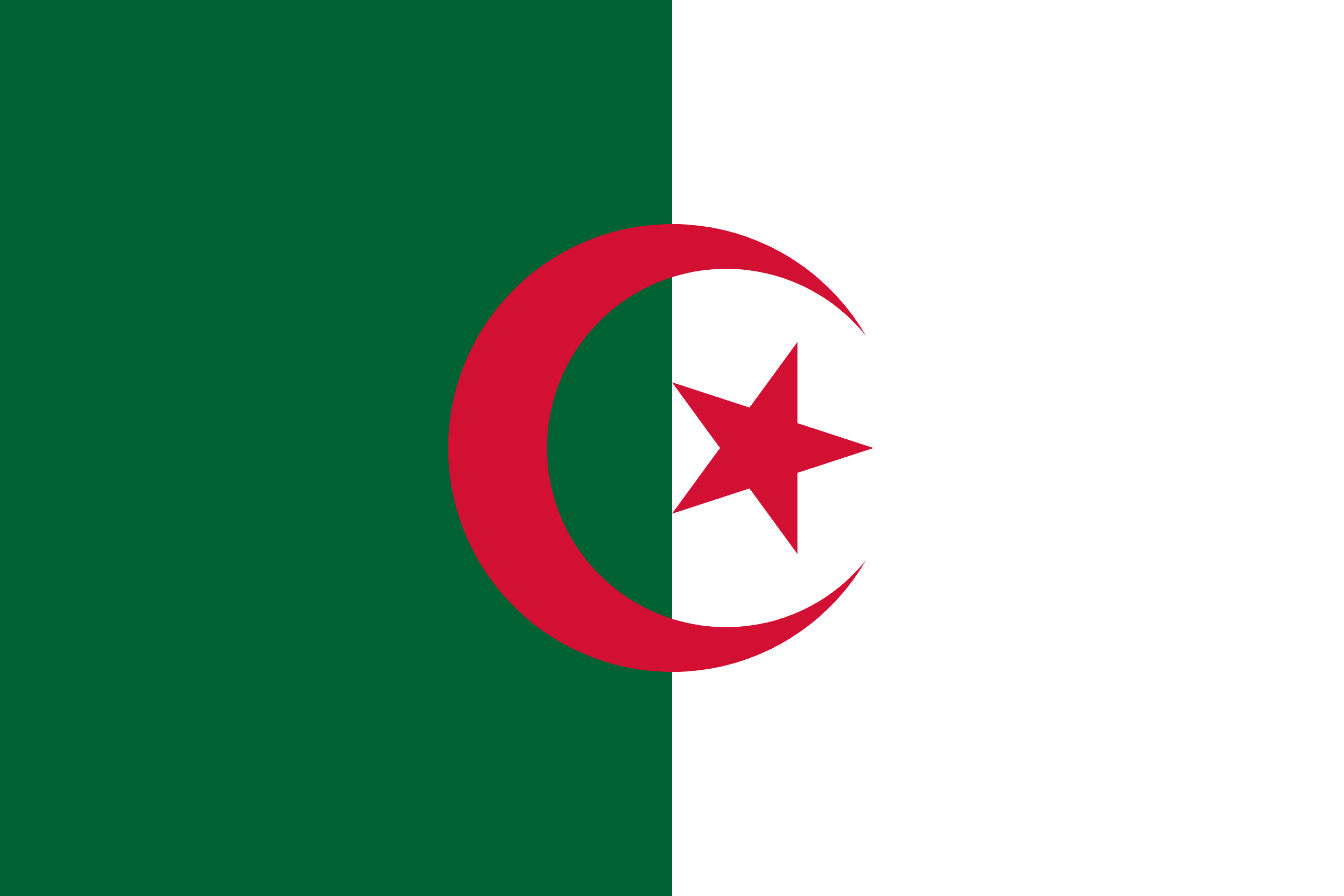 |
|---|---|
| Country Code ISO2 | DZ |
| Country Code ISO3 | DZA |
| Country Code Numeric | 012 |
| Capital | Algiers |
| Currency | Algerian Dinar |
| Currency Code | DZD |
| Internet TLD | .dz |
| Calling Code | +213 |
| Time Zone | UTC +01:00 |
| Driving Side | Right |
| Area (sq. kms) | 2,381,741 |
| Demonym | Algerian |
| Official Language | Arabic, Tamazight |
| Largest City | Algiers |
| Date Format | DD/MM/YYYY |
History
Algeria’s history stretches back to ancient times when it was inhabited by Berber (Amazigh) tribes, the indigenous people of North Africa. The region later came under the influence of the Carthaginian Empire and was subsequently incorporated into the Roman Empire, where it became an important center of trade and agriculture. After the decline of Rome, Algeria experienced periods of rule by the Vandals and the Byzantine Empire before the arrival of Islam in the 7th century, which profoundly shaped its culture, language, and identity.
From the 16th century, Algeria became part of the Ottoman Empire, functioning with a degree of autonomy under local rulers. In 1830, France invaded and colonized Algeria, leading to over a century of French rule marked by economic exploitation and social inequality. Resistance movements grew over time, culminating in the Algerian War of Independence, a major anti-colonial struggle that resulted in independence in 1962.
Following independence, Algeria established a socialist-oriented government and later transitioned toward a more diversified political system. The country experienced internal conflict during the 1990s but has since worked toward stability while maintaining its role as a key political and economic power in North Africa.
 ADA Programming
 C Programming
 C# Programming
 C++ Programming
 F# Programming
 GO Lang
 Haskell
 Java
Java
 JavaScript
 Julia
Julia
 Kotlin
 Lua Programming
 PHP
PHP
 Python
 R Programming
 Ruby
Ruby
 Rust
Rust
 Shell Script
 Swift Programming
 Appetizer
 Breakfast
 Chutney
 Curry
Curry
 Desserts
 Jam
Jam
 Jelly
Jelly
 Main Course
 Pickle
 Salad
Salad
 Sauce
Sauce
 Side Dish
 Snack
Snack
 Soup
Soup
 Sweets
 Ashtottara Shatanamavali
 Hitopadesha
 Panchatantra
 Temple
 Logical Reasoning
 Reading Comprehension